The Birdhouse
Top 5 Birds
Red Winged Blackbird
These guys are iconic marsh birds. Throughout the end of winter and through early fall, you hear the males singing their loud songs, to both define their territories and attract mates.
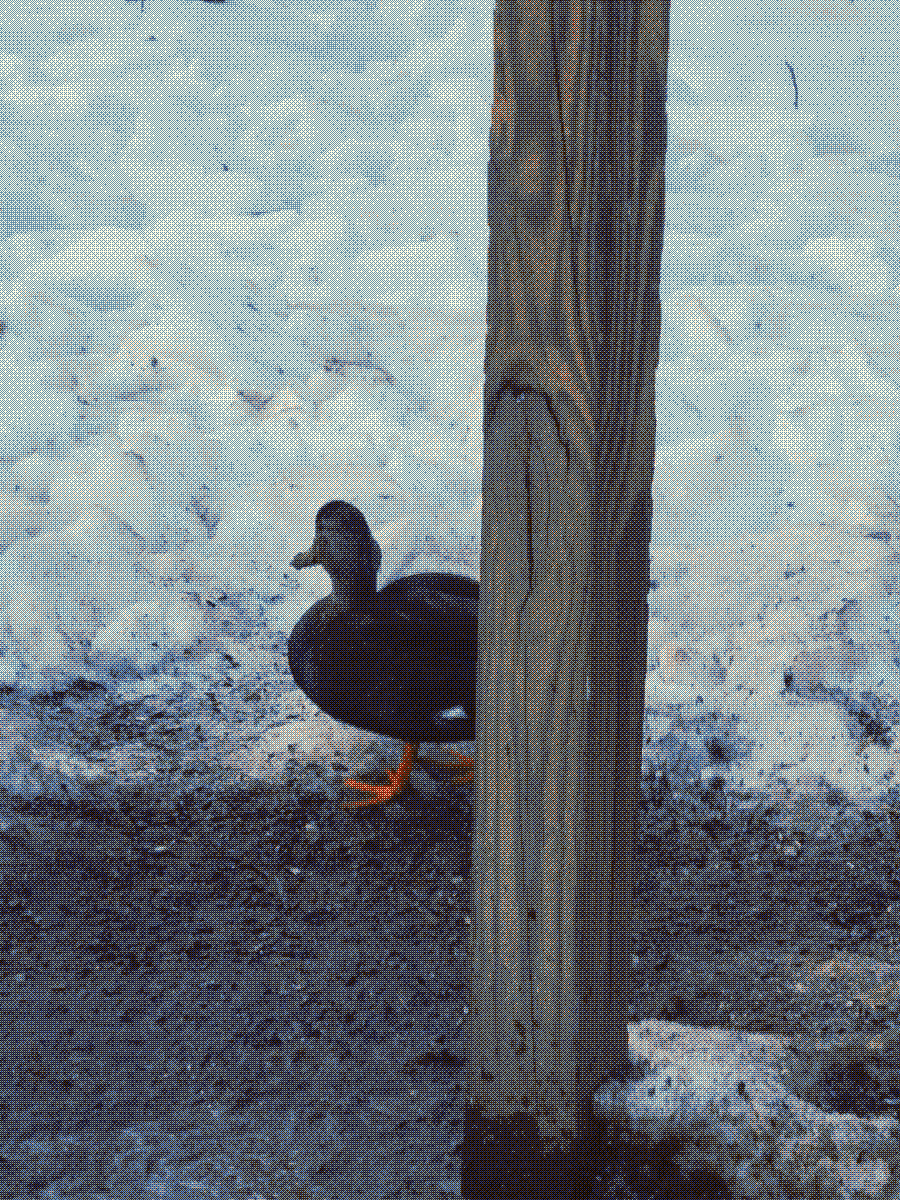
Ruddy Duck
These ducks overwinter in the meadowlands, where they spend time in the deeper waters of the marsh and dive to hunt for food. During their breeding season, the beaks of the males turn blue. Here they tend to migrate northward to their breeding ranges when that happens, so seeing them with blue beaks is a rare treat in early spring.
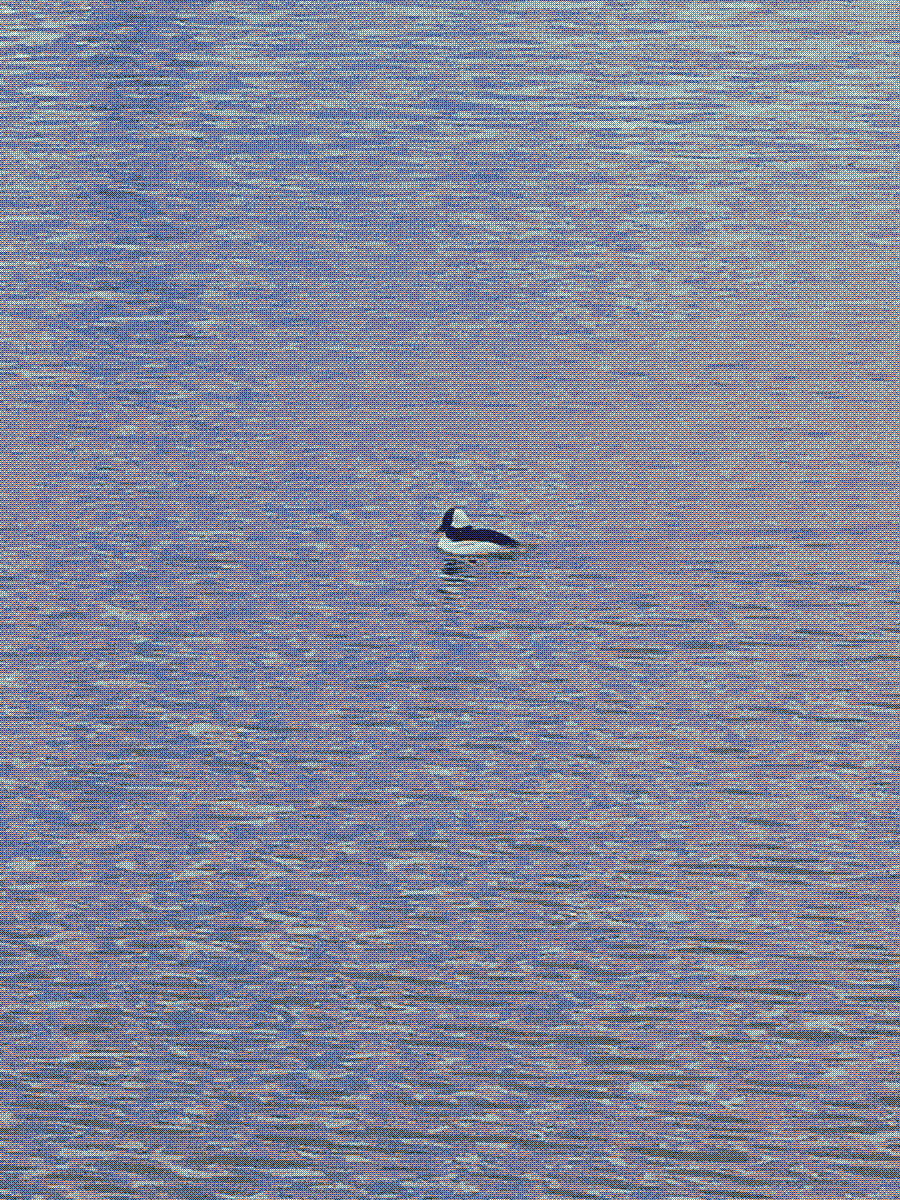
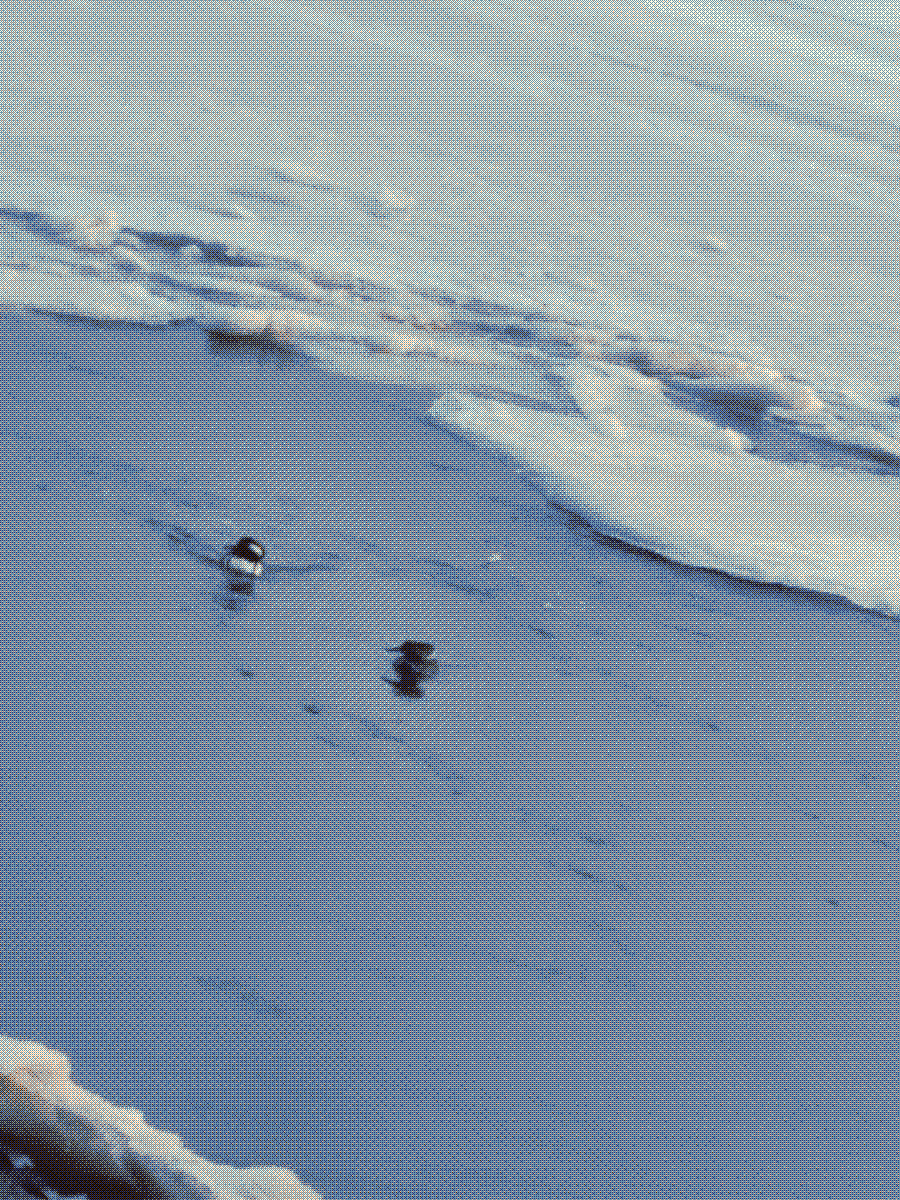
Buffleheads
these are another winter duck that searches for food by diving. the males of these ducks have a striking large white patch on their head, and the females are mostly brown with a small white patch on the side of their face. their fun name is derived from the word "buffalo" because they have a large puffy head.
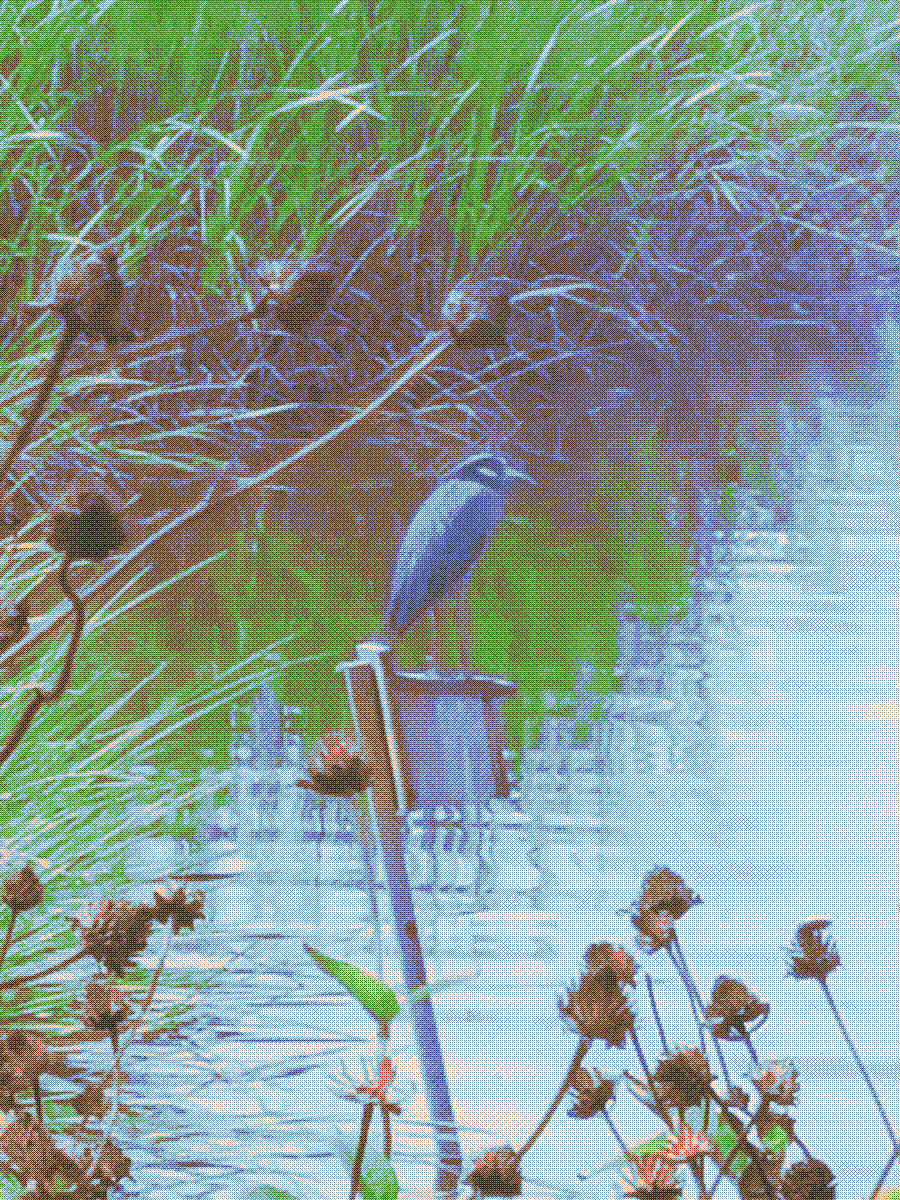
Yellow Crowned Night Heron
These birds used to be rare in the meadowlands, but now they are easy to find every summer. They are mostly active in the evening, hence night heron, but you can still find them around in the day time. They are often seen at the edges of reed beds hunting for fish
Northern Harrier
These birds of prey are endangered in the state of New Jersey; the preserved lands in the meadowlands provide critical habitat for them to breed and raise offspring, as they nest and hunt in marshes and grasslands. They can be seen flying low over the ground as they seek out small animals.
Lifelist
This is a list of bird species I have seen, compiled from e bird (so it is incomplete, as I have only about 16 checklists on e bird).
| Common name | Scientific name |
|---|---|
| Red Breasted Merganser | Mergus serrator |
| Tufted Titmouse | Baeolophus bicolor |
| Black Capped Chickadee | Poecile atricapillus |
| Blue Jay | Cyanocitta cristata |
| Hairy Woodpecker | Leuconotopicus villosus |
| Red Bellied Woodpecker | Melanerpes carolinus |
| Yellow Crowned Night Heron | Nyctanassa violacea |
| Semipalmated Sandpiper | Calidris pusilla |
| House Finch | Haemorhous mexicanus |
| Northern Cardinal | Cardinalis cardinalis |
| Yellow Rumped Warbler | Setophaga coronata |
| Savannah Sparrow | Passerculus sandwichensis |
| Forster's Tern | Sterna forsteri |
| Common Merganser | Mergus merganser |
| White-throated Sparrow | Zonotrichia albicollis |
| American Goldfinch | Spinus tristis |
| American Crow | Corvus brachyrhynchos |
| Hooded Merganser | Lophodytes cucullatus |
| Bufflehead | Bucephala albeola |
| Green-winged Teal | Anas crecca |
| Northern Pintail | Anas acuta |
| American Black Duck | Anas rubripes |
| Northern Shoveler | Spatula clypeata |
| Blue-winged Teal | Spatula discors |
| Northern Yellow Warbler | Setophaga aestiva |
| House Sparrow (invasive) | Passer domesticus |
| Downy Woodpecker | Dryobates pubescens |
| Bald Eagle | Haliaeetus leucocephalus |
| Great Blue Heron | Ardea herodias |
| Great Cormorant | Phalacrocorax carbo |
| Great Black-backed Gull | Larus marinus |
| American Herring Gull | Larus smithsonianus |
| Ring-billed Gull | Larus delawarensis |
| Laughing Gull | Leucophaeus atricilla |
| Common Grackle | Quiscalus quiscula |
| Brown-headed Cowbird | Molothrus ater |
| Red-winged Blackbird | Agelaius phoeniceus |
| Song Sparrow | Melospiza melodia |
| Cedar Waxwing | Bombycilla cedrorum |
| American Robin | Turdus migratorius |
| Northern Mockingbird | Mimus polyglottos |
| Grey Catbird | Dumetella Carolinensis |
| European Starling | Sturnus vulgaris |
| Marsh Wren | Cistothorus palustris |
| Barn Swallow | Hirundo rustica |
| Tree Swallow | Tachycineta bicolor |
| Osprey | Pandion Haliaetus |
| Great Egret | Ardea alba |
| Snowy Egret | Egretta thula |
| Double Crested Cormorant | Nannopterum auritum |
| Least Tern | Sternula antillarum |
| Least Sandpiper | Calidris minutilla |
| Greater Yellowlegs | Tringa melanoleuca |
| Mourning Dove | Zenaida macroura |
| Ruddy Duck | Oxyura jamaicensis |
| Mallard | Anas platyrhynchos |
| Gadwall | Mareca strepera |
| Mute swan | Cygnus olor |
| Canada Goose | Branta canadensis |
Fun Fact!
Mallards get around! They often hybridise with other species of ducks. In the northeastern united states, some duck species they commonly hybridise with include the Gadwall and the American Black duck, both members of the Anatidae Family. The mallard x Gadwall hybrid used to be known as a Brewers duck, and was once thought to be its own species ( I have a vintage field guide that lists it). There are other hybrids all around the world!