The Meadow
Native Plants
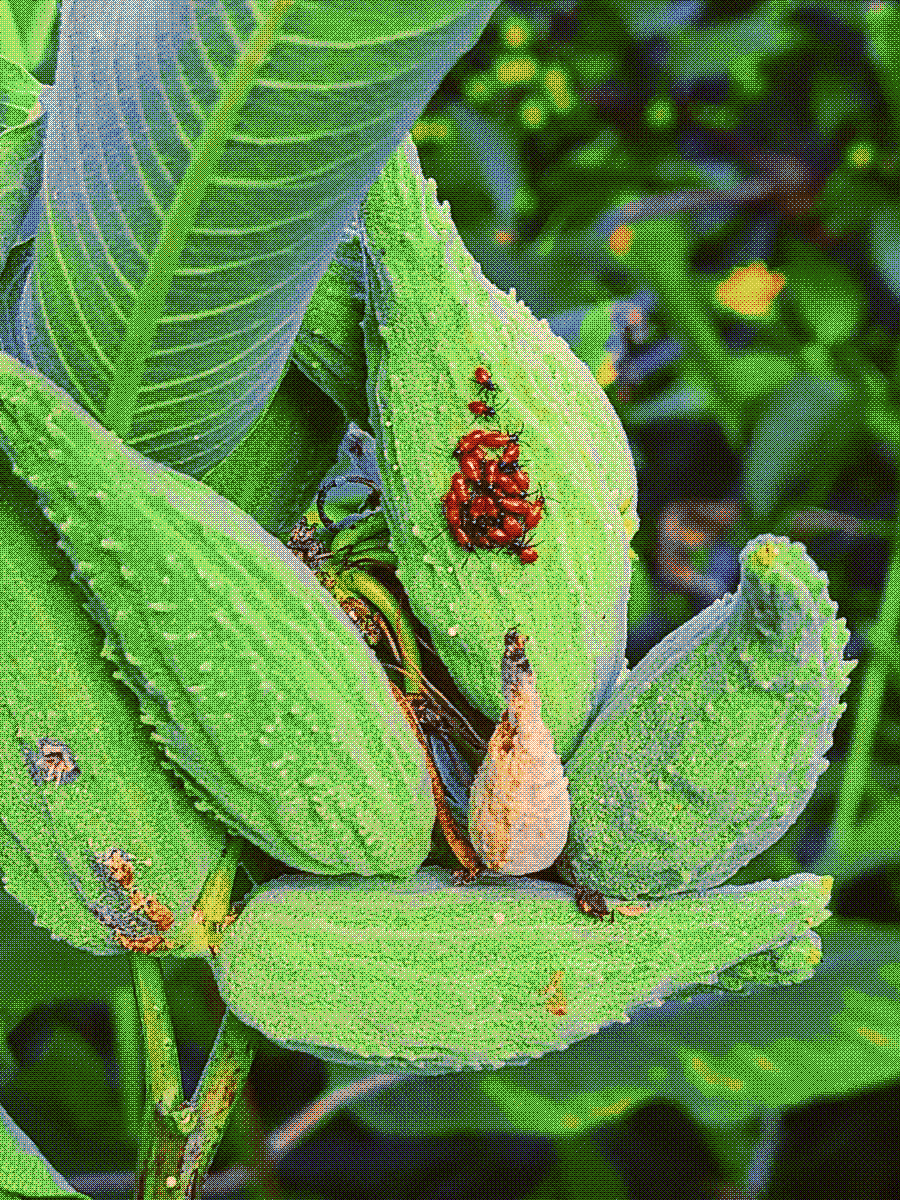
When many of the parks in the meadowlands were designed to preserve the wetlands, 40 or so years back, there was not as much interest in native plants as there is today. Indeed, much of the earlier plantings were non native plants, as they were much easier to find plantings to initially establish the parks. Renewed interest in native plants have caused the park management to rethink their plantings. There have been recent efforts to re-introduce milkweed at DeKorte Park for example, and this park now supports a small meadow that contains among other plants, bee balm and cardinal flowers. There are America Beautyberry bushes, which produce fruit in the late fall that migratory birds like to feed on. There have also been efforts to replant native marsh plants like Cattails to disrupt the monoculture of the invasive Phragmites australis reeds. With these new plants, there have been more native pollinating insects, hummingbirds, and unique insects such as milkweed bugs that survive on native plants.
The native plants are significant for the ecosystem services they provide to wildlife: native plants and native animals have lived in this area for many thousands of years, mutually adapting to the precense of one another. It is especially obvious with pollinators and insects: hummingbirds have a long tubular beak and require tubular shaped flowers with a lot of nectar in order to survive best, and many insect species are adapted to just one particular host plant to lay eggs on and for feeding. In turn, many native animals depend on the insects or the plants to provide them a source of food. When native plants diversity decreases, so does the diversity of these species.
Phragmites australis
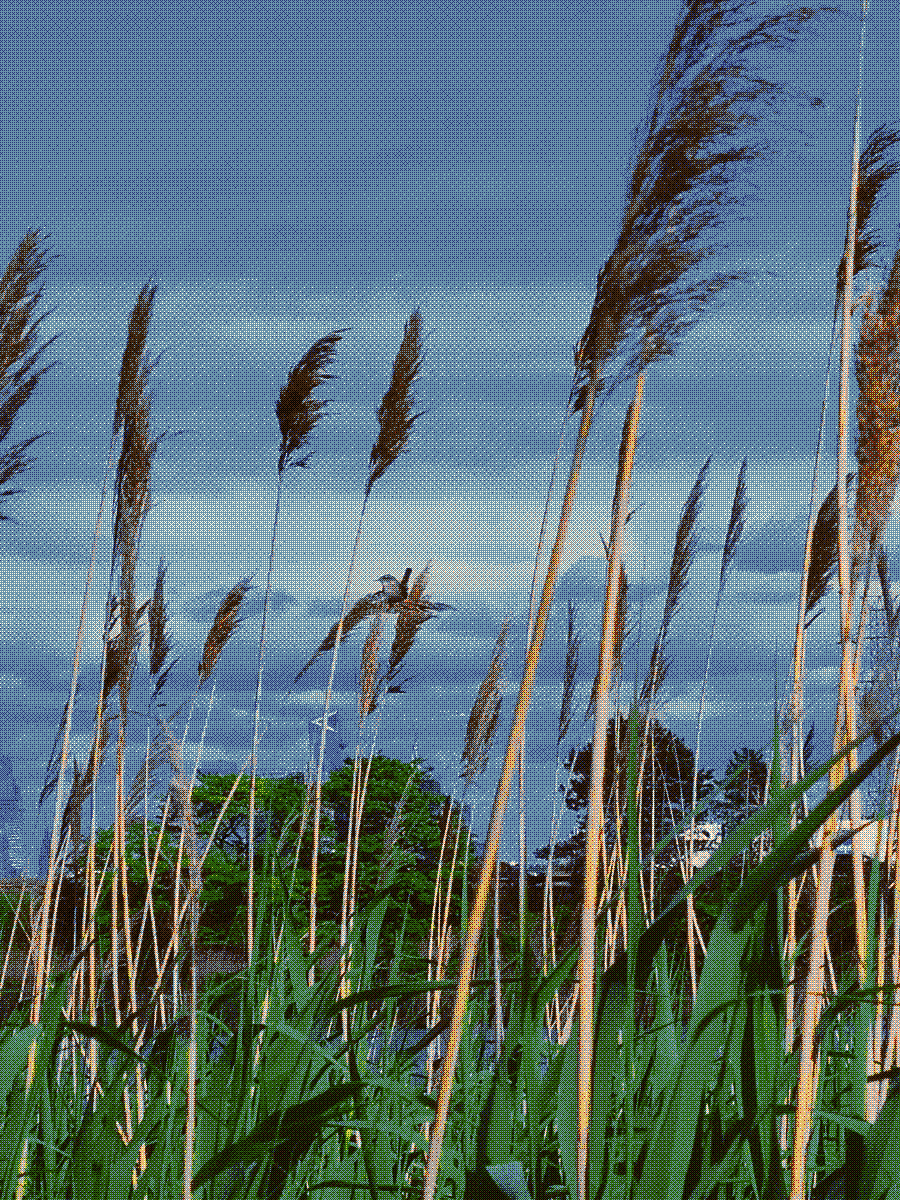
Phragmites australis is one of the most significant invasive species to the region. These are found all over the Hackensack Meadowlands, forming massive monocultures where only Phragmites grow, leaving little room for native reed and grass species. This reed was introduced accidentally sometime in the late 18th or early 19th century, travelling in the ballast water from European ships. It started growing in thick stands on disturbed wetlands. In the modern day, its growth is also supported by fertiliser runoff from lawns, taking over where pollutant runoff kills native grasses and reeds. Native wildlife does not feed on its seeds very much, and the reeds in salt or brackish marshes do not grow low enough in the water to provide cover local fish. They are associated with a decrease in biodiversity of birds and fish.
Removing phragmites may prove to be a major issue however: to get rid of them and leave nothing there can potentially cause soil erosion, or allow it to reintroduce itself. Using herbicides to remove them would kill off native marsh grasses too, and burning the phragmites would possibly cause its seeds to spread even further. Generally, what does seem to work is restoring the natural hydrology of wetlands by removing dykes, ditches, and berms, which can make space for the more salt adapted native reeds. It is also possible to plant seeds for native grasses and reeds on areas where phragmites has been removed. Minimising disturbance is important for areas with more native grasses, to prevent Phragmites from taking hold.